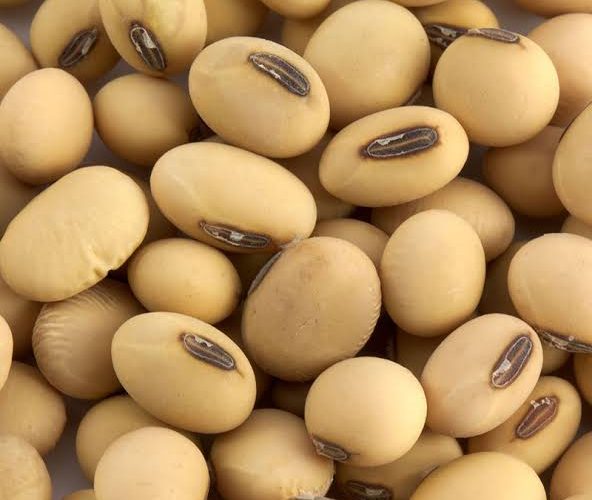
Africa’s agricultural landscape is evolving rapidly, driven by innovative practices and strategic crop selection. Among the crops spearheading this transformation, soybeans stand out due to their significant impact on the continent’s economy, food security, and rural development. Let’s explore how soybean farming is reshaping Africa’s agricultural horizon and why it holds such immense potential for the future.
1. Boosting Food Security
Soybeans are a powerhouse of nutrition, packed with protein, healthy fats, and essential vitamins and minerals. They play a crucial role in combating malnutrition and food insecurity across Africa. By incorporating soybeans into local diets, communities gain access to a reliable and nutritious food source. This is particularly important in regions where protein deficiency is prevalent, as soybeans provide an affordable and sustainable solution.
2. Enhancing Soil Health
Soybean farming contributes positively to soil health through its nitrogen-fixing properties. The crop’s ability to convert atmospheric nitrogen into a form usable by plants reduces the need for chemical fertilizers. This natural process enriches the soil, improves fertility, and enhances the productivity of subsequent crops. As a result, farmers can achieve better yields with reduced input costs, promoting sustainable agricultural practices.
3. Economic Empowerment and Job Creation
The cultivation and processing of soybeans create numerous economic opportunities. From farming and harvesting to processing and distribution, the soybean value chain generates jobs and stimulates local economies. Small-scale farmers, in particular, benefit from the lucrative markets for soybeans, which can significantly increase their income and improve their livelihoods. Additionally, the development of soybean-based industries, such as animal feed and oil production, further boosts economic activity and job creation.
4. Supporting Livestock and Poultry Industries
Soybeans are a vital component of animal feed, providing essential nutrients for livestock and poultry. The growth of soybean farming in Africa supports the expansion of these industries, leading to increased production of meat, dairy, and eggs. This not only enhances food security but also provides farmers with diversified income streams. The availability of high-quality feed at lower costs contributes to the overall stability and growth of the livestock sector.
5. Export Potential and Foreign Exchange Earnings
Africa’s favorable climate and vast arable land make it an ideal region for large-scale soybean cultivation. By tapping into the global demand for soybeans, African countries have the opportunity to become major players in the international market. Exporting soybeans and soybean products can generate substantial foreign exchange earnings, strengthen national economies, and reduce dependency on imported agricultural products.
6. Promoting Gender Equality
Soybean farming offers unique opportunities for empowering women in agriculture. Women play a significant role in Africa’s agricultural sector, and the cultivation of soybeans provides them with additional income-generating activities. By engaging in soybean farming, women can enhance their economic independence, contribute to household food security, and participate more actively in community decision-making processes.
7. Advancing Agricultural Research and Innovation
The rise of soybean farming in Africa has spurred investment in agricultural research and innovation. Research institutions and universities are focusing on developing high-yield, pest-resistant soybean varieties suited to African conditions. Additionally, innovations in farming practices, pest management, and post-harvest processing are being promoted to maximize productivity and profitability. These advancements contribute to the overall modernization and resilience of Africa’s agricultural sector.
Conclusion
The impact of soybean farming on Africa’s agricultural landscape is profound and multifaceted. From enhancing food security and soil health to driving economic growth and supporting gender equality, soybeans offer a promising pathway to sustainable development. By embracing the potential of this versatile crop, Africa can achieve greater agricultural productivity, economic resilience, and improved livelihoods for millions of farmers. As we look to the future, the continued growth of soybean farming will undoubtedly play a pivotal role in shaping a prosperous and food-secure Africa.